
The Modern Merchandising Platform
XRS Connects brands, retailers, and local merchandisers through a single digital platform.
Brands spend heavily to keep product merchandised correctly at retail and still lose coverage in remote and hard-to-reach stores where traditional field teams aren’t economical. XRS closes that gap.
Suppliers post discrete merchandising projects. Local, experienced contractors near the store pick the projects they want and complete them on their own schedule. Every completed project is photo-verified before the supplier is billed so brands pay for finished work, not for visits.
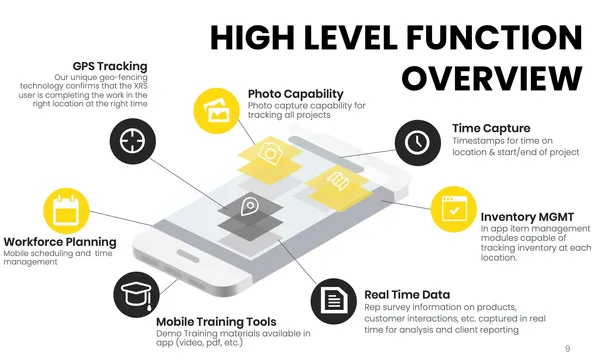
How It Works:
- Suppliers post projects. A brand posts a discrete merchandising project for a specific store: stocking, facing, a display build, or a new-item cut-in for its product. The supplier sets the task and funds it.
- Local contractors pick or pass. Nearby contractors see available projects in the XRS app and choose the ones they want. No assignments and no obligation, a contractor is free to take a project or leave it, and an unclaimed project simply isn’t completed.
- Work is verified, then paid. The contractor completes the project on their own schedule, within the project window, and submits photo verification. Suppliers are billed only for verified, completed work, and contractors are paid a flat fee per completed project.
Result: Faster Turnaround, Lower Cost, Higher ROI.
Coverage where others can’t reach. Traditional field merchandising breaks down in remote and low-density markets — long drives for short tasks make the economics impossible. Because XRS draws on experienced contractors who are already local to the store, we cover the locations national teams skip.
You pay for outcomes, not visits. Every project is photo-verified before billing. No paying for a drive-by that didn’t move product.
Fast turnaround. Projects are completed within days, not the multi-week cycles typical of scheduled field routes.
Experienced hands. Our contractors are current and former grocery and retail merchandisers who know how to face product, read a planogram, and build a display correctly the first time.